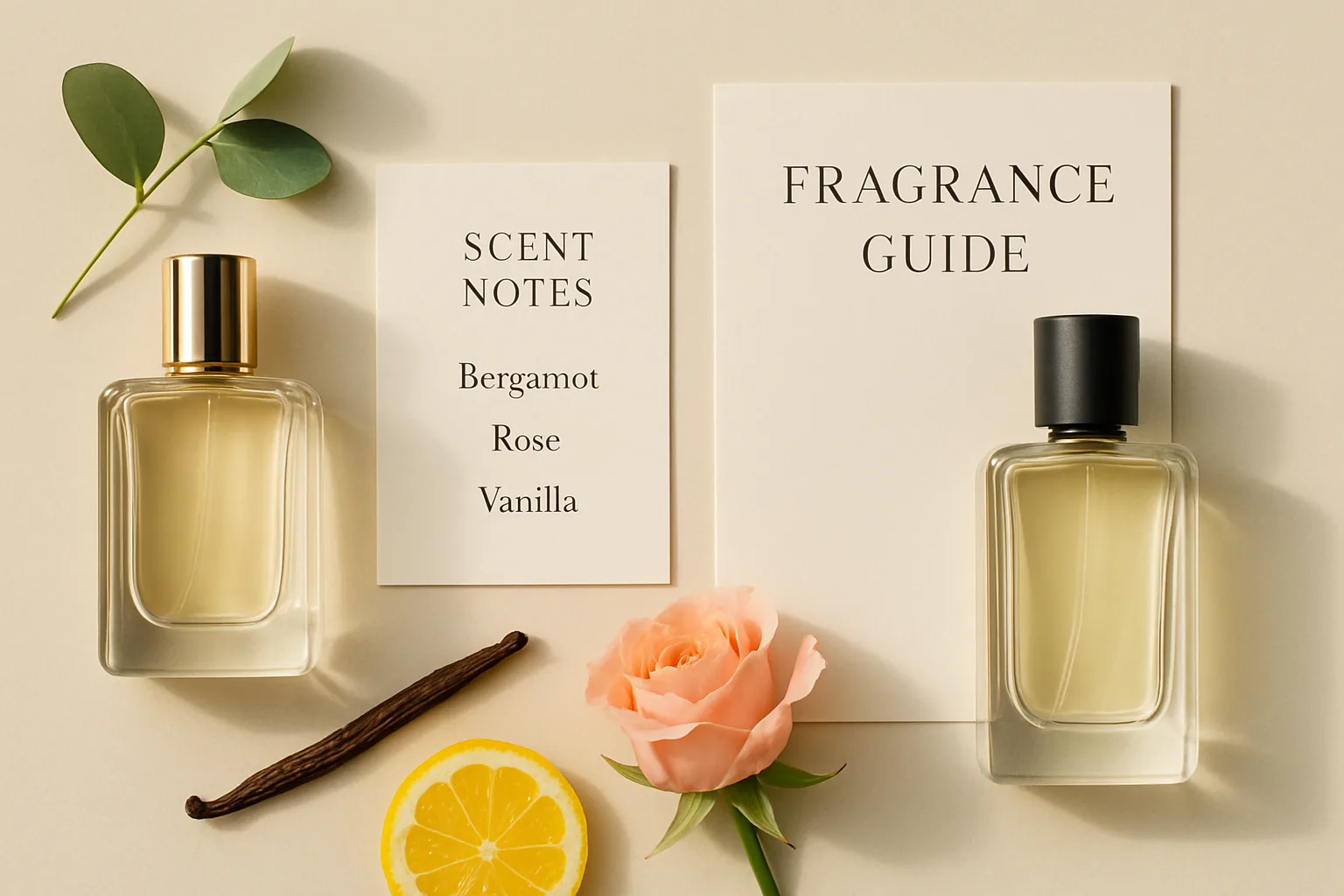
Floral perfume is not one fixed style. A fragrance centered on rose may feel fresh and dewy, softly powdery, or dark and spicy. Jasmine can suggest a sunny white flower or a richer, more velvety effect. Orange blossom often brings a bright, sweet impression, while iris is associated with a smooth, powder-like texture. The supporting notes can transform each floral character.
Some perfumes focus on a single flower, while others create a bouquet that does not smell like one specific plant. Green leaves, fruit, woods, musk, and citrus may all shape the result. A floral can be crisp enough for daytime, composed enough for work, or plush enough for evening. The category is defined by the role flowers play, not by a particular level of sweetness.
If florals have seemed too strong or old-fashioned to you, try sampling different balances. Look for descriptions such as green, sheer, citrusy, or woody, and test rather than relying on the label alone. Smell a fragrance on a blotter first, then on skin if you are curious. Notice whether the flower remains clear or becomes blended into a softer overall impression.
Common Floral Styles and How to Explore Them
Florals are often described in loose groups, and knowing them makes it easier to describe what you like. A soliflore centres on one flower, such as rose, lily of the valley or tuberose, and tries to show its character clearly. A floral bouquet blends several flowers so that no single one dominates. White florals usually feature jasmine, tuberose, gardenia or orange blossom. These flowers are known for a creamy, heady richness, and in some compositions they carry a slightly animalic warmth. Powdery florals often lean on iris, violet or heliotrope, giving a soft, cosmetic feel. Fruity florals pair petals with notes like pear, peach or berries for a lighter, more playful mood. Floral chypres set flowers against a mossy, slightly bitter base for a more structured, classic effect.
It also helps to know that many flower notes in perfume are interpretations rather than direct extracts. Lily of the valley, gardenia and lilac, for example, are usually recreated with blends of aroma materials because their natural scent is difficult or impractical to capture. That is not a flaw. It simply means two perfumes listing the same flower can smell quite different.
Building your floral comparison
- Sample one flower across several fragrances, such as three rose perfumes, to learn which supporting notes you prefer.
- Wear each one for a full day. White florals in particular can change a great deal between the opening and the drydown.
- Note the concentration, since a lighter version may feel airier than a richer one. Our guide to eau de parfum vs eau de toilette explains the difference.
- Apply lightly at first. Many florals project well, and one or two sprays is often enough.
If you are unsure where florals sit among other styles, the beginner's guide to fragrance families shows how they overlap with citrus, woody and amber scents. Pacing your testing, as described in how to sample perfume without rushing, will keep your nose fresh enough to notice these differences.