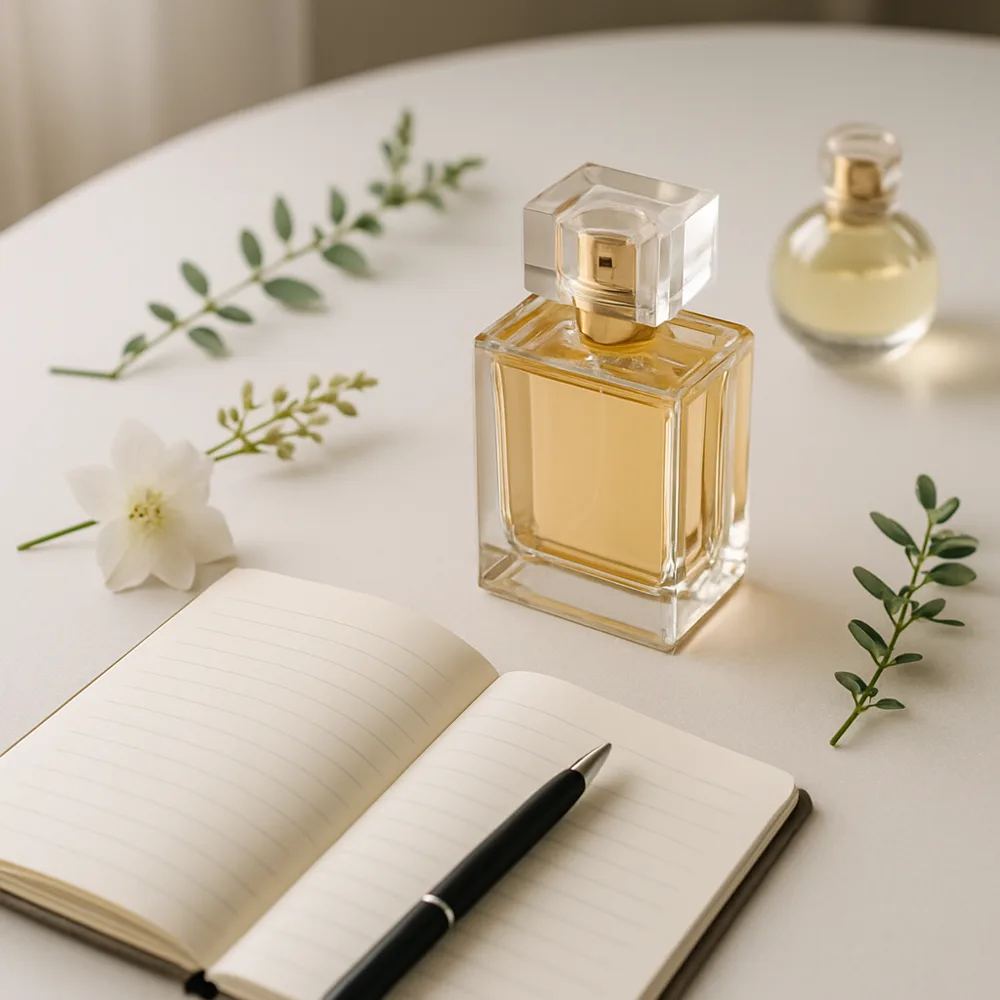
In perfumery, amber usually describes a warm fragrance style rather than a single ingredient. Amber accords are built from combinations that may include resins, vanilla-like sweetness, woods, spices, or soft balsamic materials. The result can feel glowing and smooth, but amber perfumes vary widely: some are dry and smoky, others plush and sweet, and some lean toward spice or wood.
The word can also cause confusion because it may refer to ambergris, a distinct historical perfume material, or to amber-colored resin in a general description. In modern fragrance writing, “amber” often means an accord inspired by warmth and richness. Reading the rest of a note list can help clarify whether a scent is likely to be sweet, resinous, woody, or spicy.
Amber styles are often associated with cooler weather and evening wear, though lighter versions can work in many settings. To choose one, consider how much sweetness you enjoy and whether you prefer a dry, smoky edge or a soft, rounded finish. Apply a small amount and let it settle; dense compositions can feel very different after the first impression fades.
The Building Blocks Behind an Amber Accord
Most amber accords trace back to a classic trio: labdanum, a sticky resin from the rockrose shrub with a leathery, almost animalic depth; benzoin, a soft balsam that smells creamy and faintly vanillic; and vanilla or vanillin, which adds sweetness and roundness. Perfumers often widen this base with tonka bean, Peru or tolu balsam, styrax, or a touch of patchouli. Each addition pushes the accord in a slightly different direction, which is why two perfumes both described as amber can smell surprisingly unalike.
Modern perfumery also uses synthetic amber materials. Ambroxan and related molecules were developed partly as alternatives to ambergris, and they bring a dry, mineral, skin-like warmth rather than sweetness. When a note list mentions "ambery woods" or a single amber-type molecule, expect something airier and more diffusive than the resin-heavy style.
Amber and the Oriental Label
For decades, rich resinous and spicy perfumes were grouped under the term "oriental." Many brands and fragrance classifications now use "amber" for this family instead. If you are exploring older reviews or vintage bottles, the two words often point to the same broad style. Our beginner's guide to fragrance families shows where amber sits alongside florals, woods and fresh scents.
Common Amber Directions
- Gourmand amber: vanilla, tonka and caramel-like notes for a dessert-adjacent feel.
- Spiced amber: cinnamon, clove or cardamom for heat and texture.
- Smoky or incense amber: frankincense, myrrh or birch tar for a drier, darker mood.
- Floral amber: rose, jasmine or orange blossom wrapped in a warm base.
- Sheer amber: transparent, skin-close compositions that suit daytime.
Concentration matters too. Amber bases are dense and tend to last well, so an eau de toilette may give you plenty of presence while a richer extract can feel heavy in warm rooms. Comparing versions is easier once you know how eau de parfum differs from eau de toilette. Because amber unfolds slowly, wear a sample for a full day before deciding; the dry-down is usually where its character is clearest.