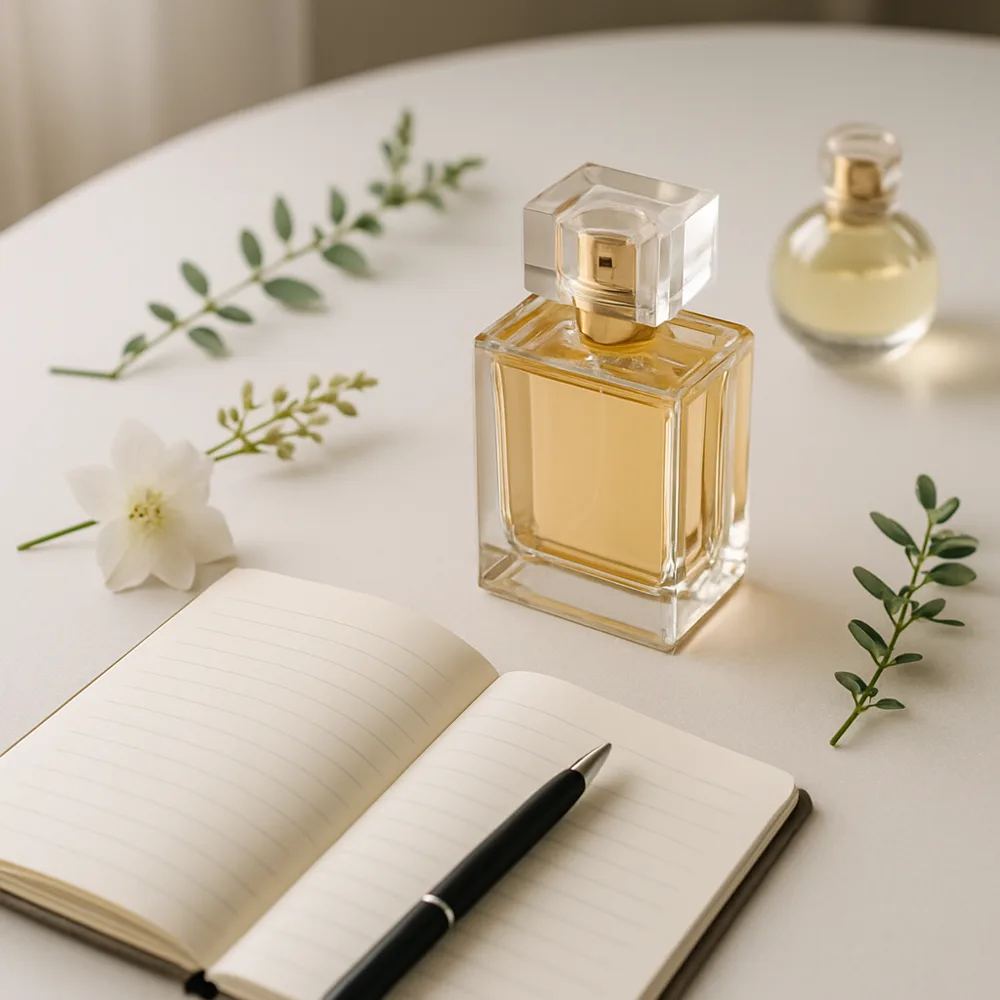
Eau de parfum and eau de toilette describe fragrance concentrations, but the labels do not guarantee a particular strength or lifespan. In general, eau de parfum is formulated with a higher proportion of aromatic materials than eau de toilette. The exact range varies by brand and formula, and concentration is only one factor in how a scent performs.
Ingredients, structure, application, skin, and climate all affect what you experience. A bright eau de toilette may project noticeably at first, while a soft eau de parfum may stay close to the skin. Some fragrances are also adjusted between concentrations, so the lighter version is not always simply a weaker copy. It may have a different balance or emphasis.
When choosing, compare the versions on skin if both are available. Apply a modest amount and check how each smells after the opening has settled. Think about where you plan to wear it: a sheer option may suit close settings, while a richer one might feel satisfying in cool weather. Select the version you enjoy, not the label that sounds most powerful.
Beyond the Label: Other Concentrations and What Really Changes
Eau de parfum and eau de toilette sit in the middle of a wider range of names you will see on bottles. At the richer end there is parfum, sometimes called extrait or extrait de parfum, which usually contains the highest share of aromatic materials and is often applied in smaller amounts. At the lighter end there is eau de cologne, a term that historically described a fresh, citrus-led style. Today it is often used loosely for sheer formulas, and many men's lines use the word cologne for almost anything. Some brands also sell body mists or hair mists, which are generally lighter still. None of these terms is a strict legal standard across the industry, so treat them as a rough guide rather than a promise.
Why the same name can smell different
When a house releases one scent in several concentrations, perfumers often rework the formula rather than simply adding more oil. An eau de toilette might lean on brighter top notes such as citrus or aromatic herbs, while the eau de parfum may push woods, resins, or vanilla further forward. Knowing the basic structure of a fragrance helps here. Our guide on how to read a perfume's notes explains how top, heart, and base notes shape what you smell over time.
Practical points when comparing
- Test on separate wrists or arms, not side by side on one spot, so the two do not blur together.
- Wait at least an hour before deciding. Differences often show up in the drydown rather than the first spray.
- Adjust the dose, not just the concentration. One extra spray of an eau de toilette can sometimes match what you want from an eau de parfum, and fewer sprays of a richer version can keep it discreet.
- Consider value per wear. A higher concentration may cost more but need less, while a lighter one can be easier to reapply through the day.
- Store bottles well. Keeping any concentration away from heat and direct light helps it smell as intended for longer.
Taking your time with samples makes these comparisons far more reliable. If you want a structured approach, see our advice on how to sample perfume without rushing, and use the beginner's guide to fragrance families to understand why some styles naturally feel lighter or heavier regardless of the label.