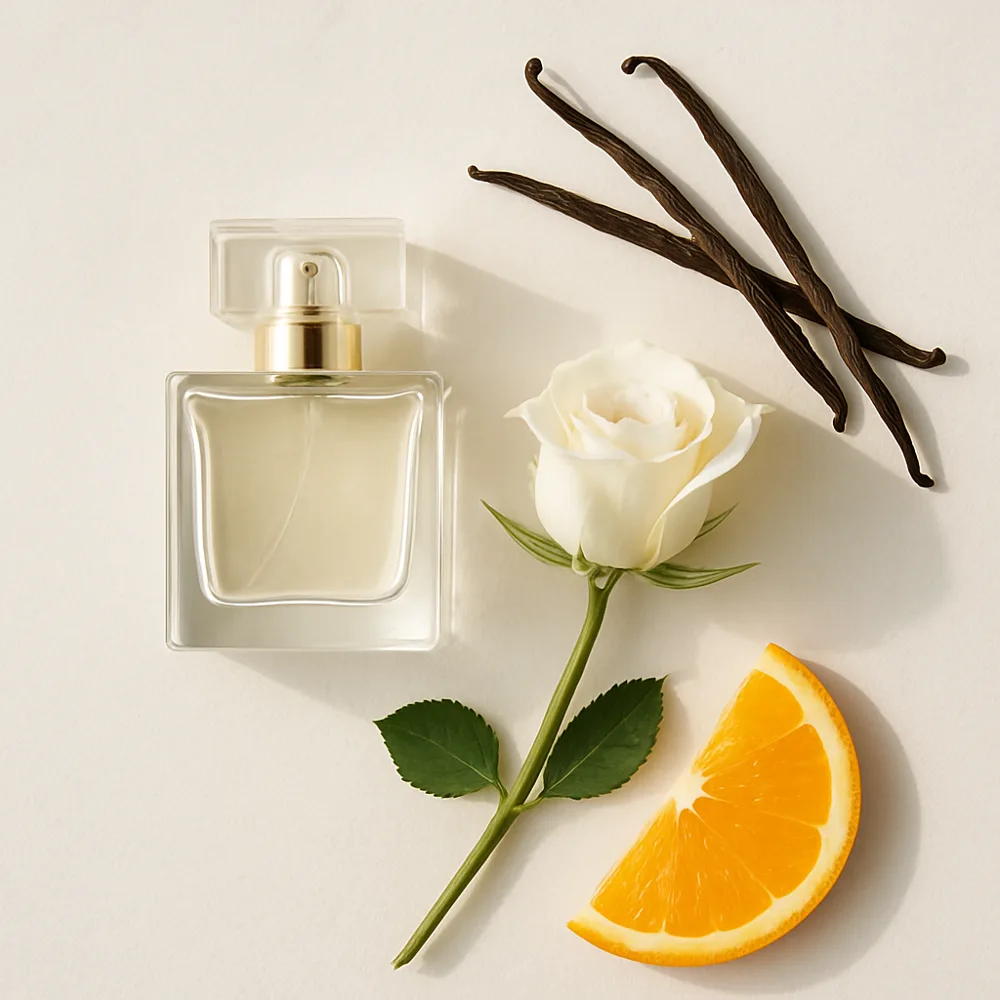
“Fresh,” “clean,” and “soapy” are common perfume descriptions, but they do not mean the same thing to everyone. Fresh might suggest citrus, cut greenery, cool air, or a watery effect. Clean can evoke crisp fabric, gentle musk, or a light floral. Soapy perfumes may remind someone of lather or a freshly washed shirt, while another person may interpret them as powdery or aldehydic.
These impressions are usually created by blends rather than one simple ingredient. Citrus and aromatic notes can give a bright, brisk effect; musks may suggest clean fabric; and certain florals can contribute a smooth, polished quality. A fragrance marketed as fresh may still have a warm woody base, so the first impression does not necessarily tell the whole story.
If you are looking for a clean-smelling perfume, think about which version appeals to you. Do you want something crisp and energizing, soft and comforting, or polished and lightly floral? Sampling can help translate vague descriptions into personal preferences. Let the perfume settle on skin, especially if you are sensitive to powdery or musky effects. The clearest description is the one that matches what you actually perceive.
The Notes Behind Fresh, Clean, and Soapy Effects
Once you know which kind of clean you are after, it helps to recognise the materials perfumers commonly use to build each effect. Ingredient lists and note pyramids are simplified, but they still give useful clues about how a scent is likely to behave.
Fresh: citrus, herbs, and water
Bergamot, lemon, grapefruit, and mandarin are the classic sources of brightness, though they tend to fade quickly. Aromatic notes such as lavender, rosemary, mint, and basil add a cooler, brisker edge. So-called aquatic or marine accords, popular since the 1990s, aim for a watery or sea-air feel. Green notes like galbanum, cut grass, or violet leaf can suggest crushed stems and garden freshness. If a fragrance feels fresh only for the first half hour, that is often because these lighter materials sit at the top of the composition.
Clean: musks and soft woods
The laundry-like quality many people call clean usually comes from synthetic white musks, which are widely used in detergents and fabric softeners as well as perfume. Paired with light woods or a touch of iris, they create a skin-close, cotton-sheet impression. Be aware that some people are partly or fully anosmic to certain musks, so a perfume that seems strong to a friend may smell faint to you, or the reverse.
Soapy: aldehydes, florals, and powder
Aldehydes give a sparkling, slightly waxy lift that many associate with bar soap and classic perfumes. Lily of the valley, neroli, orange blossom, and rose can add a polished floral smoothness, while iris and heliotrope push things towards powder. If soapy perfumes read as old-fashioned to you, try versions where citrus or musk leads rather than aldehydes.
Testing tips
- Compare two or three scents side by side so the differences between fresh, clean, and soapy become obvious.
- Check the drydown after a few hours; many fresh openings settle into amber, vetiver, or cedar.
- Consider concentration: lighter formats often emphasise brightness, a point explored in eau de parfum vs eau de toilette.
For a wider map of where these styles sit, the beginner's guide to fragrance families shows how citrus, aromatic, and floral groups relate, and how to read a perfume's notes explains what note lists can and cannot tell you.