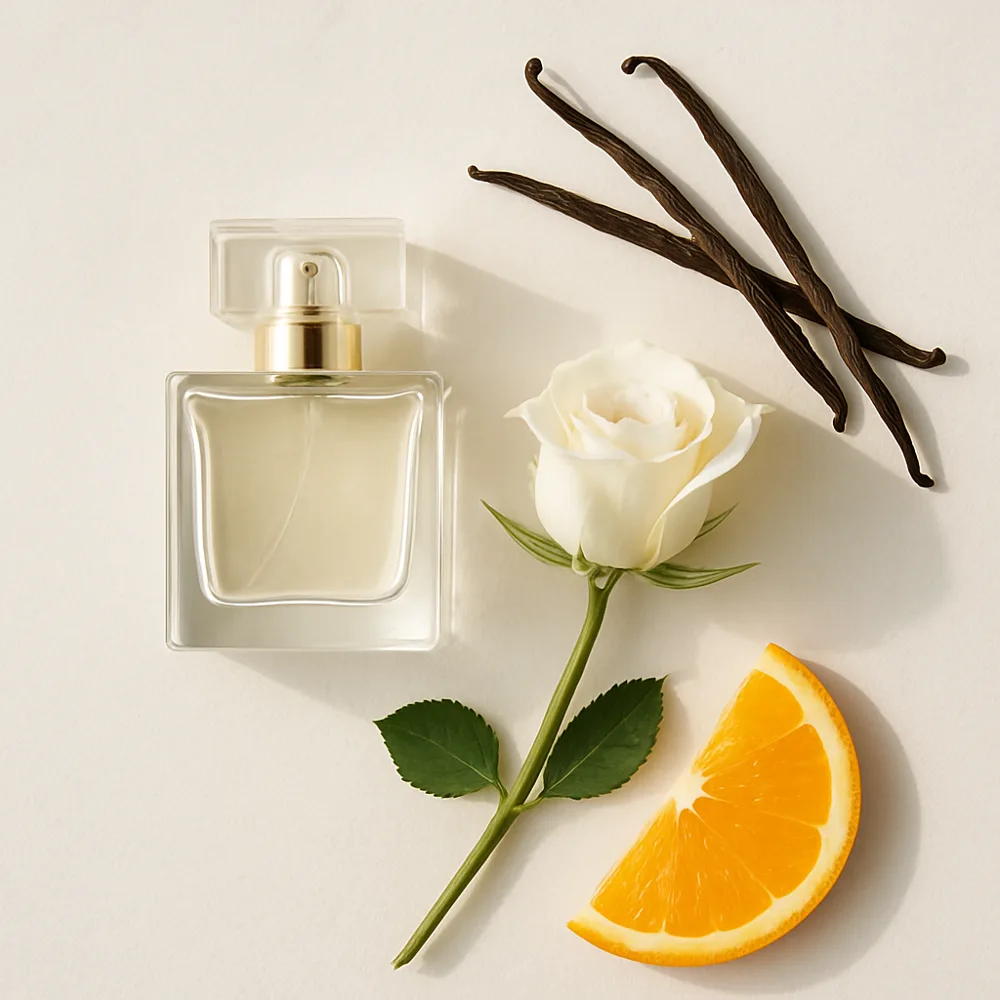
Fragrance families are broad groups that help describe a perfume’s overall character. Common categories include citrus, floral, woody, amber, aromatic, and fresh. They are useful shortcuts, not strict boxes: one fragrance can combine several styles, and different guides may classify the same scent differently.
If you enjoy sparkling drinks, peeled fruit, or clean, bright smells, citrus fragrances may appeal to you. Floral perfumes can range from dewy and delicate to dense and dramatic. Woods may feel dry, creamy, smoky, or polished, while amber styles often suggest warmth through blends of resinous, sweet, and spicy effects. Aromatic scents frequently feature herbs, leafy notes, or a crisp barbershop character.
Start by noticing what you enjoy in everyday life, but stay open to surprises. You might like a floral perfume even if you dislike one particular flower, because the surrounding notes change its character. Sample across families and write down simple impressions such as “cool and green” or “soft and woody.” Those descriptions can be more useful than choosing a category in advance.
Going Deeper: Subfamilies, Overlaps and How Families Behave on Skin
Once the main families feel familiar, it helps to know that most fragrance classifications split them further. A floral might be described as floral fruity, floral powdery or white floral, the last covering heady blooms such as jasmine, tuberose and orange blossom. Woody scents can lean toward woody aromatic, built around herbs and lavender, or woody amber, where resins and warm spices take a bigger role. These subfamilies explain why two perfumes in the same broad group can feel completely different.
Classic structures worth knowing
Two traditional styles appear again and again in descriptions. Chypre perfumes usually combine a bright citrus opening with a mossy, earthy base, often with patchouli, giving a sophisticated, slightly bitter elegance. Fougère, French for fern, describes a herbal, often lavender-led accord with a soft, hay-like warmth; many classic men’s fragrances follow this pattern. Knowing these terms makes reviews and retailer descriptions far easier to decode.
How families change over time
A perfume’s family can seem to shift as it dries down. Citrus and many fresh notes are light and tend to fade first, so a scent that opens sparkling may settle into something woody or musky an hour later. This is why judging a fragrance in the first few seconds can mislead you. Our guide on how to read a perfume’s notes explains top, heart and base notes in more detail.
Practical ways to explore
- Try two or three perfumes from one family side by side to learn what separates them.
- Then compare one from each of several families to find your broad preferences.
- Test on skin rather than only on paper strips, since warmth and skin chemistry affect how notes develop.
- Consider the season: lighter citrus and green styles often suit heat, while amber and woods tend to feel cosy in colder weather.
Concentration matters too, as it influences how strongly a family’s character comes through. If you are unsure which version to try, see our comparison of eau de parfum and eau de toilette, and take your time with our advice on sampling perfume without rushing.