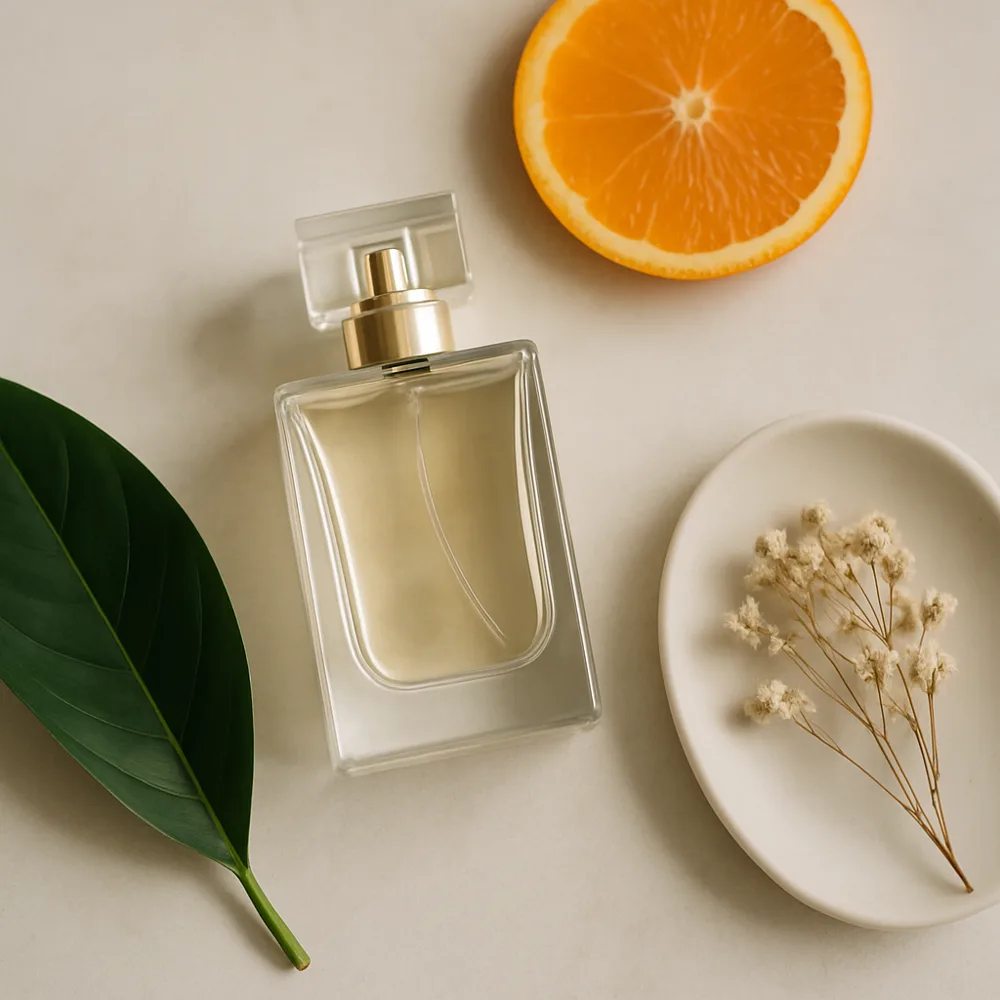
Perfume can smell different in its first few minutes than it does later. To get a fuller impression, begin with one scent at a time. Spray a blotter from a comfortable distance, let the alcohol lift, and take a gentle sniff. If you like the opening, try the fragrance on skin on another occasion. This keeps competing scents from crowding your attention.
On skin, choose an area that is easy to revisit, such as the inner forearm. Avoid rubbing the spot, which can disturb the wet fragrance and make comparison harder. Check in after a few minutes, then again later. Note whether the scent becomes softer, sweeter, greener, or warmer, and whether it remains pleasant at close range.
Keep sampling notes brief and personal. Record the date, where you applied it, and a few words about the opening and drydown. Consider wearing a sample during an ordinary activity, not only during a store visit. A fragrance that seems appealing in the air may feel different over several hours. There is no need to decide immediately; revisiting a scent is part of finding out whether it suits you.
Building a Calm Sampling Routine at Home
Once you have a few samples gathered, the real work happens away from the shop counter. A simple routine at home lets each fragrance show its full character without pressure. Try to give every sample at least one full day of wear on its own, ideally on a day when you are not cooking strongly scented food, wearing a scented body lotion or spending time somewhere smoky. Unscented skincare makes a quieter background, so the perfume is easier to read.
Pace yourself across days, not minutes
Noses tire quickly. After a while, familiar smells fade from your awareness, which is why a fragrance can seem to vanish even though people around you still notice it. Rather than testing five scents in one afternoon, spread them across a week or two. Revisiting a favourite on a second or third day often reveals details you missed, such as a woody base that only appears late or a sweetness that becomes tiring over time.
Try it in different conditions
Heat, humidity and your own skin all change how a perfume behaves. Warm weather tends to make scents project more and evolve faster, while cool air can keep them closer and slower. If a sample is promising, wear it once on a warm day and once on a cooler one, and notice whether it still feels right. It also helps to know the concentration you are testing, since an eau de parfum and an eau de toilette of the same name can differ in strength and balance.
Questions worth asking yourself
- Do I still enjoy it after several hours, or only at the start?
- Does it suit the places I actually spend my time, such as work, home or evenings out?
- Is it similar to something I already own, or does it add something new?
- Would I reach for it without thinking about it?
Understanding the broad style of a scent can make these answers clearer. If you keep returning to the same kind of fragrance, a look at the main fragrance families may help you spot the pattern and choose future samples with more confidence. Slow sampling is less about finding a perfect perfume quickly and more about learning what you genuinely like.