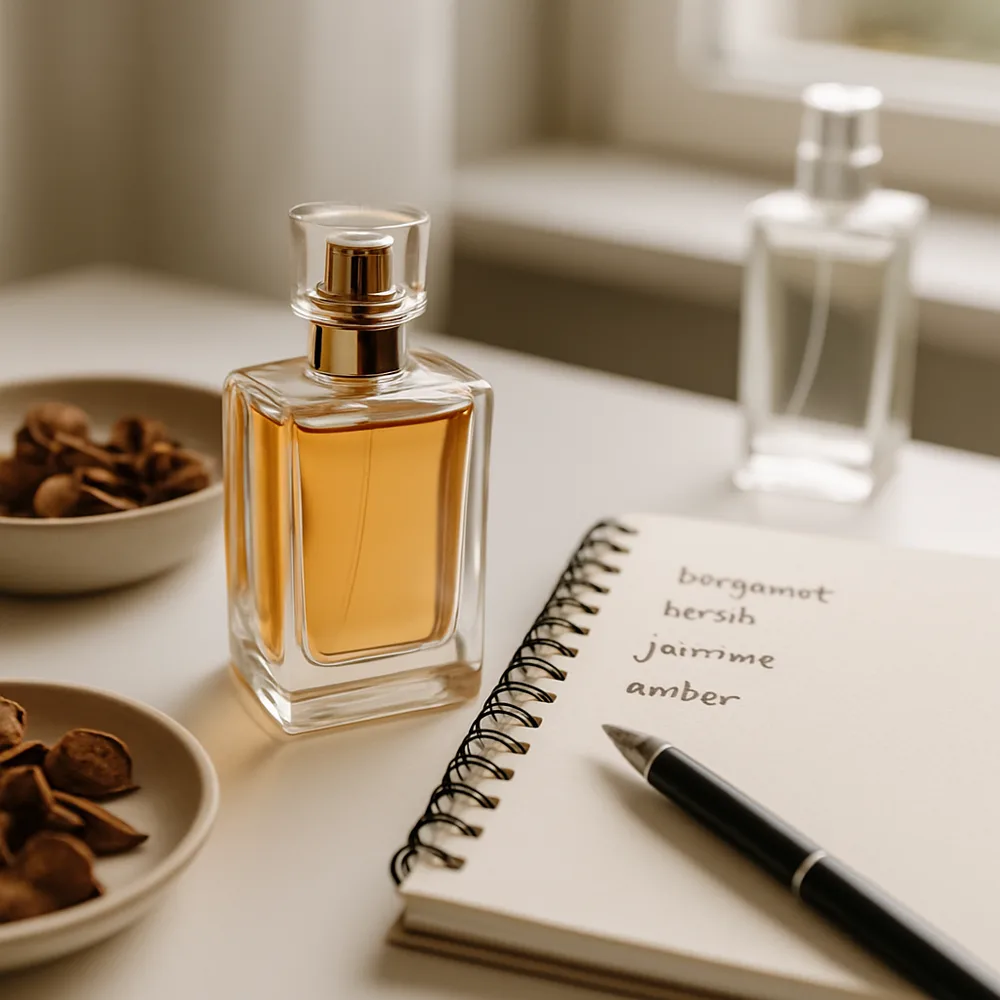
Warm weather can make fragrance feel more noticeable, especially when you are outdoors or moving around. Many people reach for citrus, green, aquatic, or sheer floral styles because they can feel crisp and easygoing. These are suggestions, not requirements. If you love a richer perfume, you can still wear it by adjusting the amount and choosing a setting where it feels comfortable.
Try a new fragrance in conditions similar to those in which you plan to wear it. A scent that feels airy in a cool store may seem stronger in direct sun or a crowded room. Apply a modest amount, then wait before adding more. Consider your plans too: a casual outdoor afternoon may call for a different impression than an air-conditioned dinner or a quiet evening at home.
Warmth, humidity, skin, and clothing can all influence how a perfume is experienced. Avoid assuming that one family will always behave the same way. Keep water and skin comfort in mind, and do not spray perfume onto irritated or sun-sensitive skin. The best warm-weather fragrance is one you enjoy wearing without feeling that it dominates the day.
Making a Fragrance Work Through the Heat of the Day
Once you have a scent you like for warmer months, a few practical habits can help it stay pleasant from morning to evening. Heat speeds up evaporation, so the bright opening notes of many perfumes, often citrus such as bergamot, lemon or grapefruit, may fade faster than they would in cooler weather. This is normal. If you understand how a fragrance is built, you can tell when you are smelling the drydown rather than a scent that has simply disappeared. Our guide on how to read a perfume's notes explains how top, heart and base notes unfold over time.
Concentration matters more in summer
The same perfume can come in different strengths, and in warm weather that difference becomes easier to notice. A lighter concentration can feel more relaxed on a hot afternoon, while a stronger one may suit a cooler evening. Concentration names and strengths vary between brands, so compare versions on your own skin. For a fuller explanation, see eau de parfum vs eau de toilette.
Where and how to apply
- Choose cooler spots. Some people find that applying to areas less exposed to direct sun, such as the inner elbow or the back of the neck under the hair, gives a softer result.
- Try fabric with care. A light mist on a scarf or the outside of a jacket can last well, but test first, because some perfumes can mark delicate or pale fabrics.
- Refresh rather than reapply heavily. A small travel atomiser lets you add a single spray later in the day instead of starting with a lot.
- Skip rubbing. Let the perfume settle on its own so the opening develops as intended.
Storing perfume when it is hot
Heat and light can change a fragrance over time, so avoid leaving bottles in a parked car, on a sunny windowsill or in a steamy bathroom. A cool, dark cupboard is usually a better home. If you are building a small collection for different seasons, it can help to keep warm-weather favourites together. If you also have fragrance families you love for colder months, you can swap between them as the weather changes.